The Wild West: How the 19th-Century Frontier Shaped American Culture

A Nation Moving West
During the 1800s, the United States experienced one of the most transformative periods in its history as settlers moved westward across the continent. The idea of the frontier—vast stretches of land beyond established cities—represented both opportunity and uncertainty. Following the Civil War, expansion accelerated as railroads pushed across the country, connecting distant regions and making travel and trade possible on a national scale. Mining towns appeared almost overnight after discoveries of gold and silver, while ranching operations spread across the plains where open land allowed cattle to roam freely.
Life on the frontier was defined by distance and self-reliance. Many towns formed quickly around a single economic opportunity, whether it was mining, cattle, or railroad construction. Because these settlements developed so rapidly, formal systems of law, infrastructure, and government often lagged behind. This created the conditions that later inspired stories of the “Wild West,” a place remembered for its unpredictability and independence.
The Reality of the Cowboy
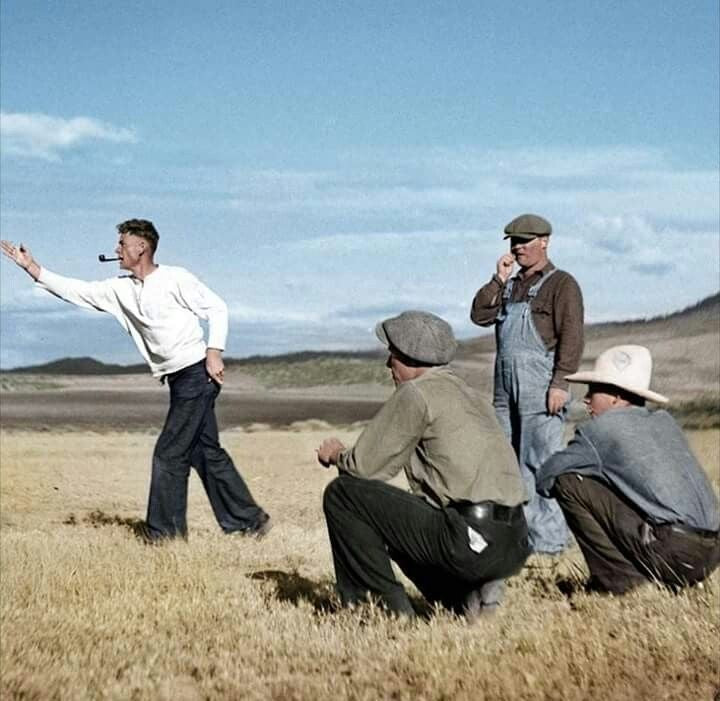
One of the most enduring images from the Wild West is that of the cowboy riding across an open landscape. In reality, cowboys were working laborers whose daily lives revolved around cattle drives, ranch maintenance, and long days spent outdoors. After the Civil War, demand for beef in growing eastern cities created an industry that relied on moving large herds of cattle from Texas ranches to railroad hubs in places like Kansas. Cowboys guided thousands of cattle across hundreds of miles of prairie during these drives, often spending months away from home.
The work was physically demanding and rarely glamorous. Cowboys dealt with unpredictable weather, dangerous river crossings, and the constant challenge of keeping large herds under control. Yet their role in the cattle industry made them central figures in the economy of the frontier. Over time, the image of the cowboy evolved beyond the reality of ranch labor and became a powerful symbol of independence and toughness—an identity that still holds a strong place in American culture today.

A Meeting Point of Cultures
While popular culture often portrays the Wild West as a uniform cowboy society, the frontier was actually a place where many cultures intersected. Mexican vaqueros had long established traditions of cattle ranching that influenced how American cowboys worked, from riding techniques to the design of saddles and equipment. Indigenous nations, whose lands stretched across the continent long before westward expansion, played a central role in the history of the region, though their displacement and conflict with settlers formed one of the most difficult chapters of frontier history.
Immigrants from Europe and laborers from many different backgrounds also contributed to the development of the West. Chinese railroad workers helped build the transcontinental railroad, while freed African Americans became cowboys, ranch hands, and soldiers in frontier territories. These diverse groups shaped the culture, economy, and communities of the West, creating a society far more complex than the simplified versions often portrayed in films and novels.
Frontier Towns and Everyday Life
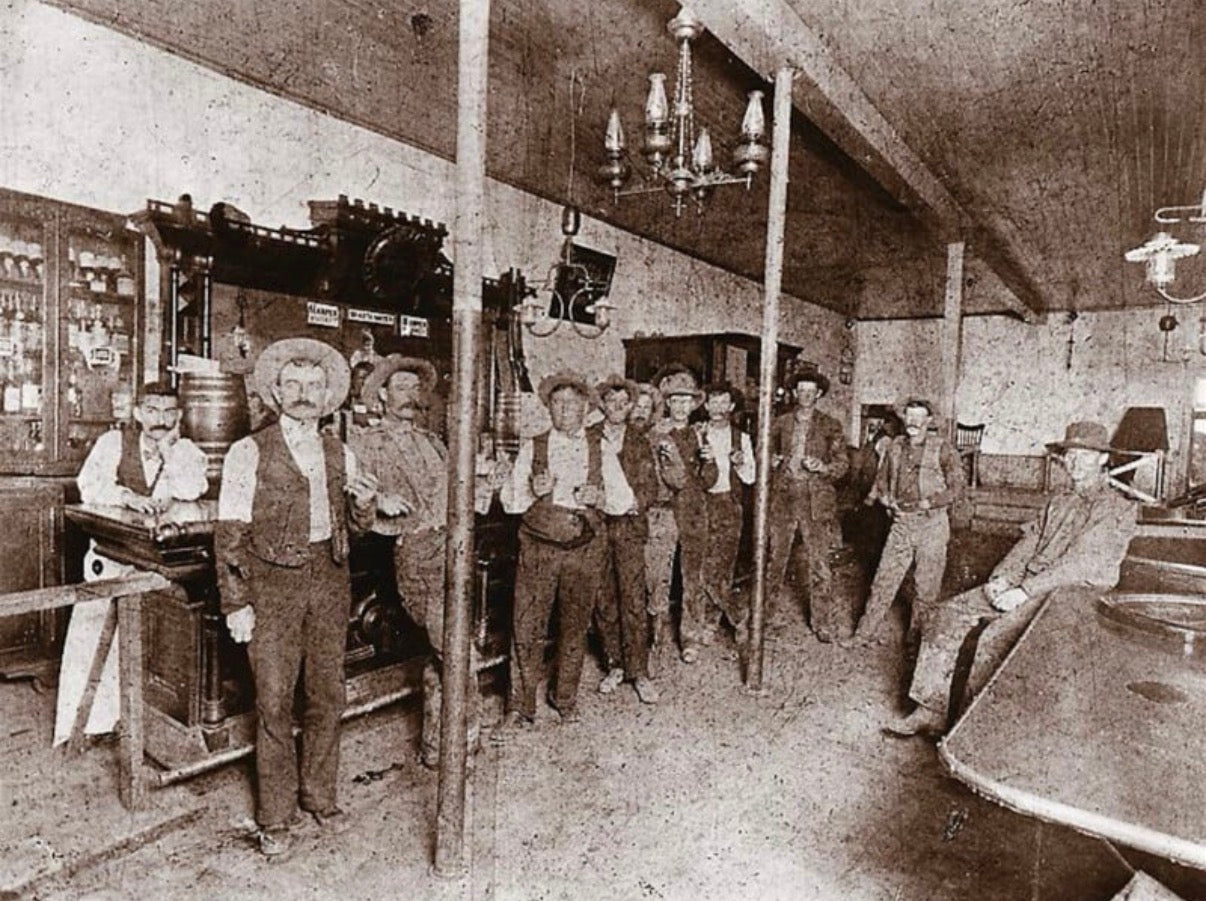
The towns that developed throughout the frontier were centers of commerce, travel, and social life. General stores sold tools, food, and clothing to settlers and travelers passing through. Saloons became gathering places where workers could relax after long days of labor, while hotels and boarding houses provided temporary homes for miners, railroad workers, and merchants.
Although many frontier towns gained reputations for lawlessness, most communities were focused on stability and growth. Businesses, schools, churches, and newspapers quickly followed once settlements became permanent. Over time, many of these towns transformed from rough frontier outposts into established cities as transportation networks and industries continued to expand.
The Birth of an American Myth
As the frontier era came to a close toward the end of the 19th century, the image of the Wild West began to shift from reality to legend. Writers, traveling shows, and later Hollywood films turned the frontier into a dramatic story of heroes, outlaws, and endless open landscapes. Figures like the cowboy became larger-than-life characters representing freedom, courage, and individuality.
This mythologized version of the West became deeply embedded in American identity. Even today, the language and imagery of the frontier continue to shape how people think about independence and exploration. The idea of the “open road,” the rugged individual, and the wide American landscape all trace their roots back to this era.

The Lasting Influence of the Wild West
The legacy of the Wild West extends far beyond history books. The clothing worn by cowboys and laborers—denim jeans, work shirts, boots, and leather belts—was originally designed for durability and practicality in harsh environments. Over time, these garments moved beyond ranches and work sites to become staples of everyday fashion around the world.
More broadly, the spirit of the frontier continues to influence art, literature, and popular culture. Stories about the West remain popular because they represent something timeless: the human desire to explore new places, build communities, and create opportunity in unfamiliar territory. What began as a difficult and often uncertain chapter of American history eventually evolved into one of the country’s most recognizable cultural symbols.