Mid-Century Workwear: The Origins of a Timeless Style

Built for Labor and Durability
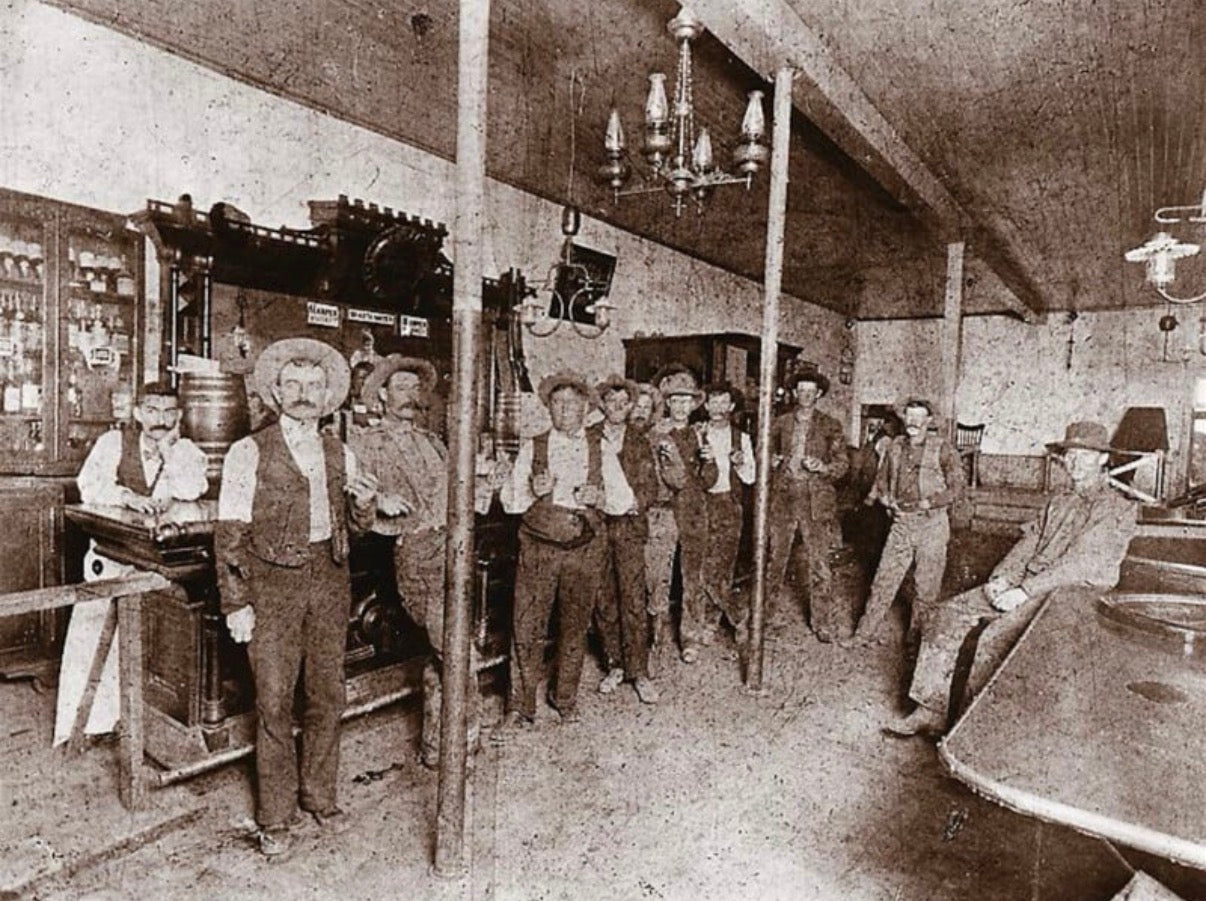
Mid-century American workwear developed during a period when clothing was designed primarily for practicality. In the decades surrounding World War II, large numbers of Americans worked in industrial jobs such as factory labor, railroad work, agriculture, and construction. These occupations required garments that could withstand physically demanding environments. As a result, clothing manufacturers prioritized durability, comfort, and function over decoration or fashion.
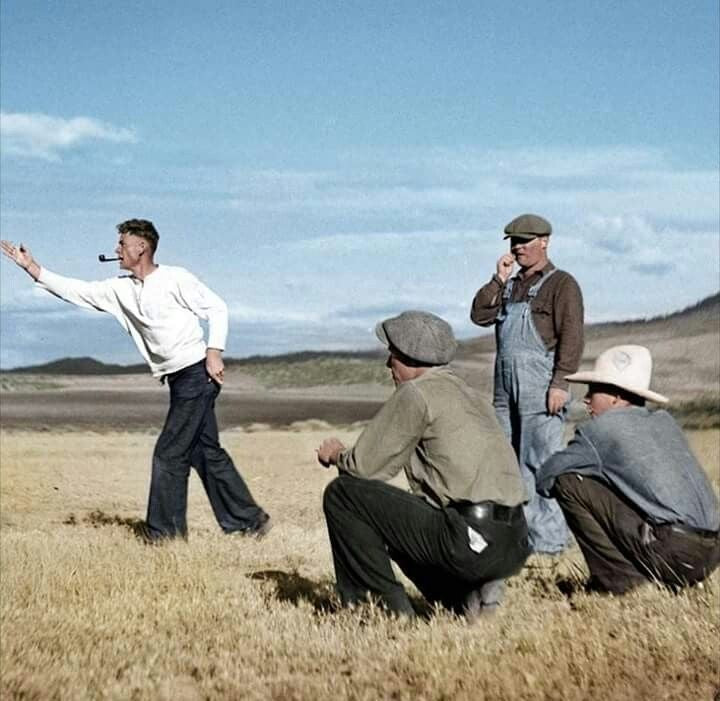
Garments commonly associated with mid-century workwear included denim trousers, chambray work shirts, canvas jackets, and chore coats. These pieces were constructed from strong materials such as denim, cotton twill, and heavy canvas. Denim was particularly valued because of its tightly woven structure, which made it resistant to tearing and abrasion. Similarly, chambray shirts were lightweight yet durable, allowing workers to remain comfortable during long hours of labor. Clothing from this period was therefore engineered to meet the practical needs of workers rather than aesthetic preferences.
Simplicity and Durability
One defining feature of mid-century workwear was its straightforward design. Clothing was intentionally simple so that it could function effectively in demanding conditions. Garments often featured reinforced seams, metal rivets, and heavy stitching at stress points to increase their lifespan. Chore jackets, for example, included large patch pockets that allowed workers to carry tools or small equipment while working.
Color choices were also practical. Indigo-dyed denim, brown canvas, and other darker tones were commonly used because they helped conceal dirt and stains that accumulated during manual labor. These garments were typically worn repeatedly over long periods of time, which caused the fabric to fade, soften, and develop visible creases. At the time, these changes were simply signs of regular use. However, these natural aging patterns later became desirable characteristics in vintage clothing.
The emphasis on durability also reflected the economic conditions of the time. Clothing was expected to last for years rather than being replaced frequently. Manufacturers focused on strong materials and reliable construction so that garments could endure the physical demands of work.
From Work Uniform to Cultural Symbol
Although mid-century workwear was originally designed solely for practical purposes, it gradually gained cultural significance. As industrial labor became a central part of American society, the clothing associated with these occupations began to represent values such as hard work, resilience, and craftsmanship.
Over time, these garments became visual symbols of authenticity. Denim jeans, work shirts, and chore jackets reflected the everyday experiences of workers who contributed to the country’s economic growth and infrastructure. Because these garments were closely associated with real labor and durability, they came to represent reliability and practicality.
As the cultural meaning of workwear expanded, the clothing itself began to influence style beyond the workplace. The rugged appearance of worn denim and sturdy jackets became appealing to people who valued the heritage and symbolism connected to these garments.

Workwear in Modern Fashion
Today, mid-century workwear remains an important influence in contemporary clothing. Many people wear denim jackets, chore coats, and work shirts inspired by mid-century designs even though they are not engaged in manual labor. These garments are popular because of their simplicity, durability, and historical significance.
Modern fashion often draws inspiration from the construction methods and materials used in mid-century workwear. Designers frequently recreate elements such as heavy denim fabrics, reinforced stitching, and functional pocket designs. These features reflect the craftsmanship that characterized clothing from that period.
In addition to their practical design, workwear garments also carry symbolic meaning. Wearing workwear today can represent an appreciation for durability, heritage, and authenticity. The clothing reflects a time when garments were designed primarily to serve a functional purpose, and that history continues to influence how these pieces are perceived today.
The Lasting Legacy of Mid-Century Workwear
The continued influence of mid-century workwear demonstrates how clothing originally designed for labor can evolve into an enduring style. Because these garments were created with durability and practicality in mind, their designs remained relevant long after their original context changed.
Today, pieces such as denim jeans, canvas jackets, and chambray shirts remain staples in modern wardrobes. Their lasting popularity reflects both their functional design and the cultural meaning associated with them. Mid-century workwear continues to represent durability, craftsmanship, and authenticity, making it an important foundation for modern casual style.