The Beauty in Vintage Denim Repairs
Repairs as a Reflection of Use
Vintage denim repairs carry a quiet significance that goes beyond appearance. They are not decorative additions, but practical responses to time and wear. In the mid-century and earlier, denim was worn hard—on job sites, in workshops, and through daily routines that demanded durability. When fabric weakened, it was reinforced. When seams gave out, they were restitched. These actions were not about preserving style, but preserving function.
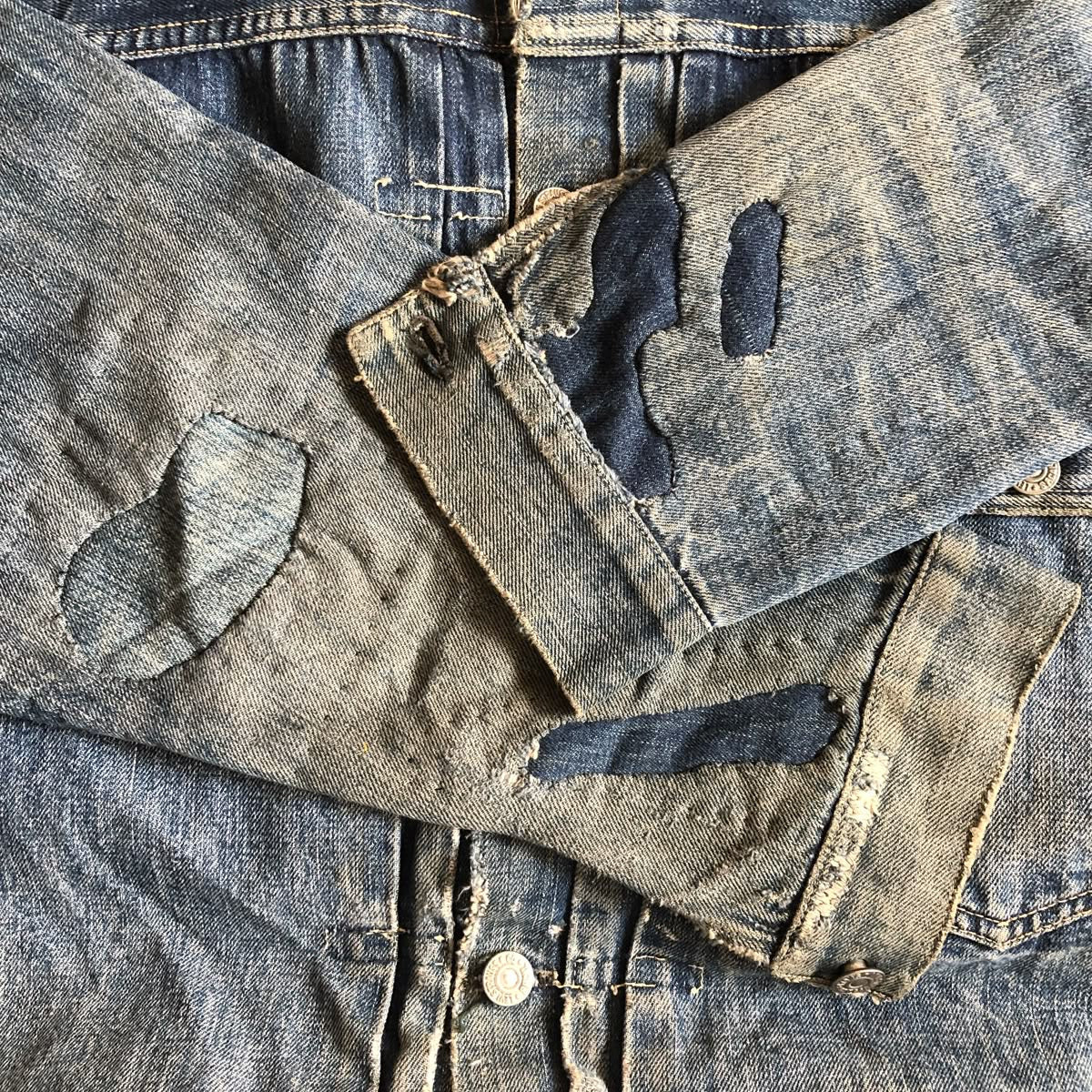
Over time, these repairs became inseparable from the garment itself. A patch at the knee suggests repeated movement, constant friction, and long hours of use. Reinforced pockets point to weight carried day after day. Each adjustment tells you something specific, creating a record of wear that is both physical and visual. Rather than diminishing the garment, these signs of repair give it a sense of permanence—evidence that it was worth keeping.
The Role of Indigo and Time
Part of what defines vintage denim is the way indigo dye responds to wear. Unlike modern treatments that aim for uniform fading, older denim evolves unevenly. Areas exposed to friction lighten, while less-used sections retain deeper tones. This natural contrast forms the backdrop for every repair.
When a patch is applied or stitching is added, it interacts directly with this fading. A darker piece of fabric might sit against a lighter, worn surface, or a repaired section may age differently from the original cloth. Over time, these elements begin to blend, creating subtle variations in tone and texture. The result is not a single, consistent finish, but a layered surface that reflects both age and intervention. It is this combination that gives vintage denim its depth—something that cannot be replicated through artificial processes alone.

Structure, Technique, and Variation
The methods used in vintage repairs vary widely, from simple, utilitarian fixes to more deliberate techniques. Some repairs were done quickly, with whatever materials were available, resulting in uneven stitching and visible seams. Others show a higher level of care, using techniques like darning or repeated stitching patterns to reinforce worn areas.
This range of approaches creates a balance between structure and imperfection. A precise repair may sit beside a rough, improvised one, each serving the same purpose but contributing differently to the overall appearance. These variations add complexity without feeling forced. The garment becomes a combination of decisions made over time, rather than a single, controlled design.
Authenticity and the Passage of Time
Modern denim often draws inspiration from these characteristics, using distressing, washes, and added details to suggest age. While these techniques can replicate certain visual elements, they lack the context that defines true vintage repairs. Authentic repairs are not pre-planned—they develop gradually, shaped by how the garment is worn and maintained.
This distinction is what gives vintage denim its lasting appeal. It reflects a different relationship with clothing, one based on longevity rather than replacement. Repairs were part of ownership, not an afterthought. As a result, the garment evolves over time, carrying visible evidence of its use rather than concealing it.

A Study in Longevity and Craft
Looking closely at vintage denim repairs reveals more than surface detail. It shows how materials respond to stress, how construction holds up over time, and how small interventions can extend the life of a garment. Each repair adds another layer, not just visually, but structurally—allowing the denim to continue being worn long after it might have otherwise been discarded.
In this way, vintage denim becomes more than clothing. It represents a process—of wear, repair, and continued use—that unfolds gradually. The beauty lies not in a single moment, but in the accumulation of changes over time.