Article: The True Western Cowboy
The True Western Cowboy
Where It Started
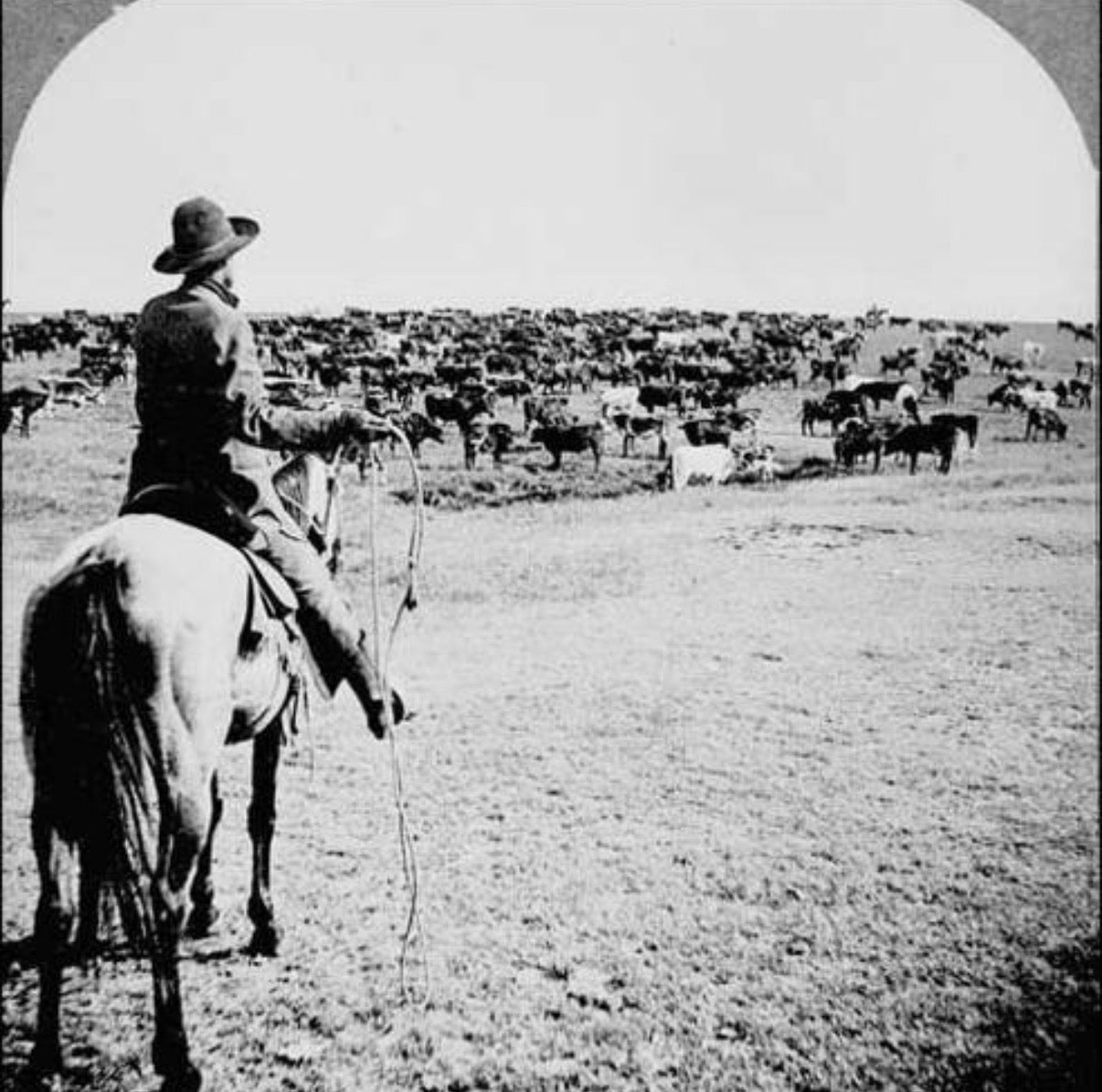
Before the cowboy became an image, it was simply a job rooted in responsibility. In the late 1800s, cowboys were essential to the cattle industry, moving herds across long distances from Texas to railroad towns. These cattle drives could last for months, and every day followed a demanding routine. Mornings started early, hours were spent riding under harsh conditions, and nights were broken up by shifts watching the herd to prevent stampedes. There was nothing glamorous about it—it was steady, physical work that required focus and endurance.
What defined these early cowboys wasn’t independence in the way people imagine today, but consistency. They worked in crews, followed direction, and relied on each other to get through long, unpredictable days. The open range gave them space, but it also came with constant pressure. Every decision mattered, and small mistakes could quickly turn into major problems.

As the West Changed
As the country developed, so did the cowboy’s role. The expansion of railroads and the introduction of barbed wire meant that the open range began to disappear. By the early 1900s and into the mid-20th century, long cattle drives were no longer as necessary. But the cowboy didn’t disappear—he adapted to a different kind of work.
Ranch life replaced the trail. Instead of constantly moving, cowboys became responsible for maintaining land and livestock in one place. The work shifted to fixing fences, managing grazing, checking cattle, and handling whatever needed attention that day. It was less about covering distance and more about maintaining consistency. The pace changed, but the physical demands and responsibility stayed the same.
Even in the 1930s through the 1950s, cowboys were still working long hours, dealing with the same elements—heat, dust, weather, and the unpredictability of animals. The setting was different, but the expectations were not.
The Image vs. The Reality
While the real work continued, the image of the cowboy began to grow into something bigger. Rodeos turned everyday ranch skills into competitions, and films created a version of the cowboy that felt more dramatic and individual. By the mid-20th century, this version became widely recognized—a symbol of independence, toughness, and freedom.
But that image only told part of the story. Most cowboys weren’t living dramatic, isolated lives. They were working within structured environments, following routines, and focusing on getting the job done. The independence people associate with cowboys came from experience and reliability, not from being alone or rebellious.

What Never Changed
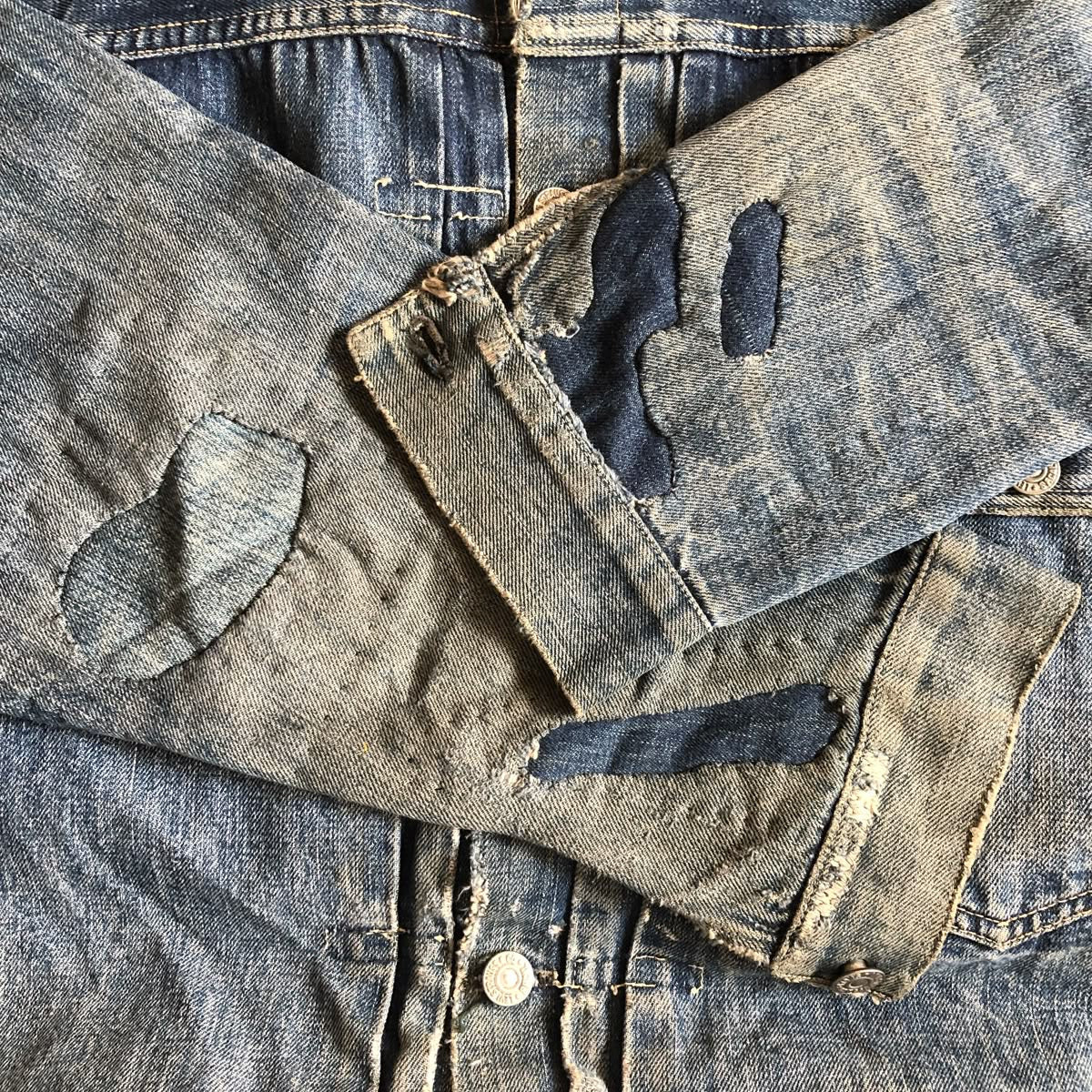
Across both eras, one thing remained consistent: everything about a cowboy’s life was shaped by use. Their clothing wasn’t chosen for appearance—it was built for function. Hats protected from the sun, boots were made for riding, and denim and leather held up against constant wear. Over time, these items faded, softened, and took on a character that reflected years of work.
That’s what connects the cowboy of the Wild West to the cowboy of the mid-20th century. The environment changed, and the lifestyle adjusted, but the core remained the same. It was always about showing up, handling responsibility, and adapting when needed.
The version people remember today is often shaped by stories, but the real one is simpler. It’s built on routine, effort, and a life that didn’t need to be exaggerated to matter.